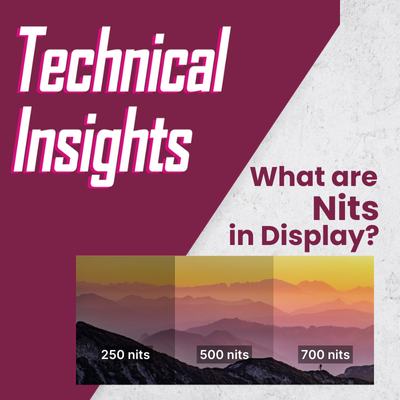
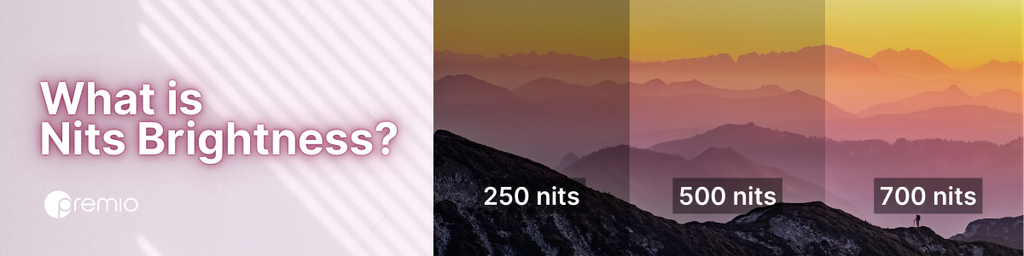
When choosing a display, whether it’s for your smartphone, computer, TV, or even industrial equipment, one of the key features to consider is its brightness. But how is brightness measured? This is where "nits," a term derived from the Latin word nitere, meaning "to shine," comes into play. This blog will delve into the essence of nits, highlight their importance across various settings, including industrial environments, and assist you in selecting the optimal display brightness for your specific requirements.
What are Nits?
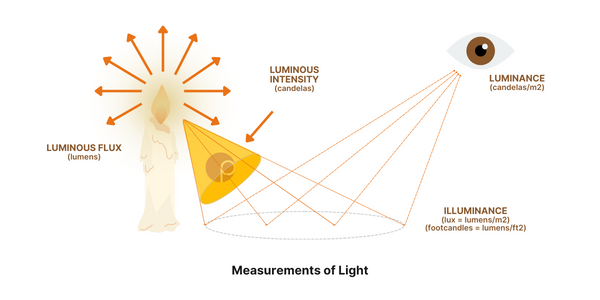
"Nits" is a unit of measurement used to quantify the luminance or brightness of a screen. One nit represents one candela per square meter (cd/m2) — the standard unit of luminous intensity in the International System of Units. This metric reflects how much light is emitted from a display, visible to the human eye over a specific area.
Range of Brightness Levels
Brightness levels can vary widely among different types of displays:
Nits, Lumens, Lux: What's the difference?
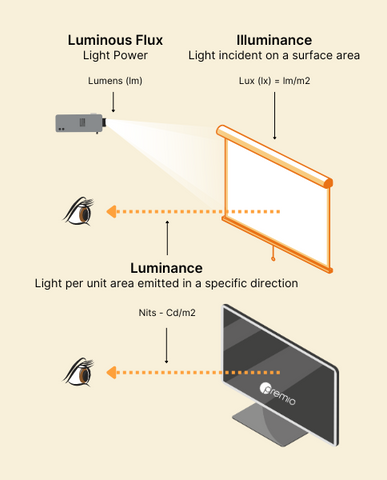
When discussing display brightness, nits are frequently compared with lumens and lux. Nits, lumens, and lux each serve distinct purposes in measuring light. Nits quantify luminance, focusing on the light intensity that a display emits per unit area, making it essential for evaluating screen visibility. Lumens measure the total visible light emitted from a source, encompassing the overall brightness output. Lux, meanwhile, calculates illuminance, reflecting the amount of light that illuminates a surface per unit area.
How many nits should an Industrial Touch Panel PC have?
The ideal nit value for an industrial touch panel PC largely depends on the specific environmental conditions where the device will be used. Indoor Use: 250-600 nits Suitable for most indoor industrial settings without direct sunlight.
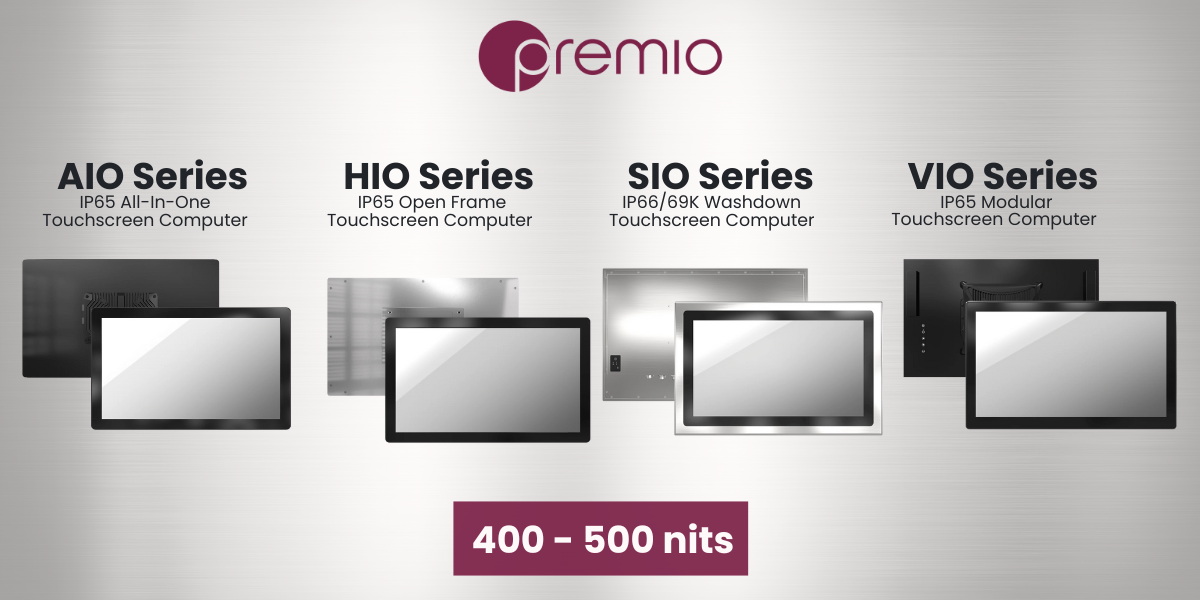
Premio's industrial touchscreen computer product lines, including the AIO Series, HIO Series, SIO Series, and VIO series, feature brightness levels ranging from 400 to 500 nits, making them well-suited for various indoor industrial settings where moderate to bright lighting is common. Additionally, these panel PCs boast a robust Mean Time Between Failures (MTBF) ranging from 30,000 to 50,000 hours for LED backlighting, ensuring reliability and longevity in demanding environments. Outdoor Use: 1000 nits or more Necessary for clear visibility in direct sunlight or brightly lit areas.
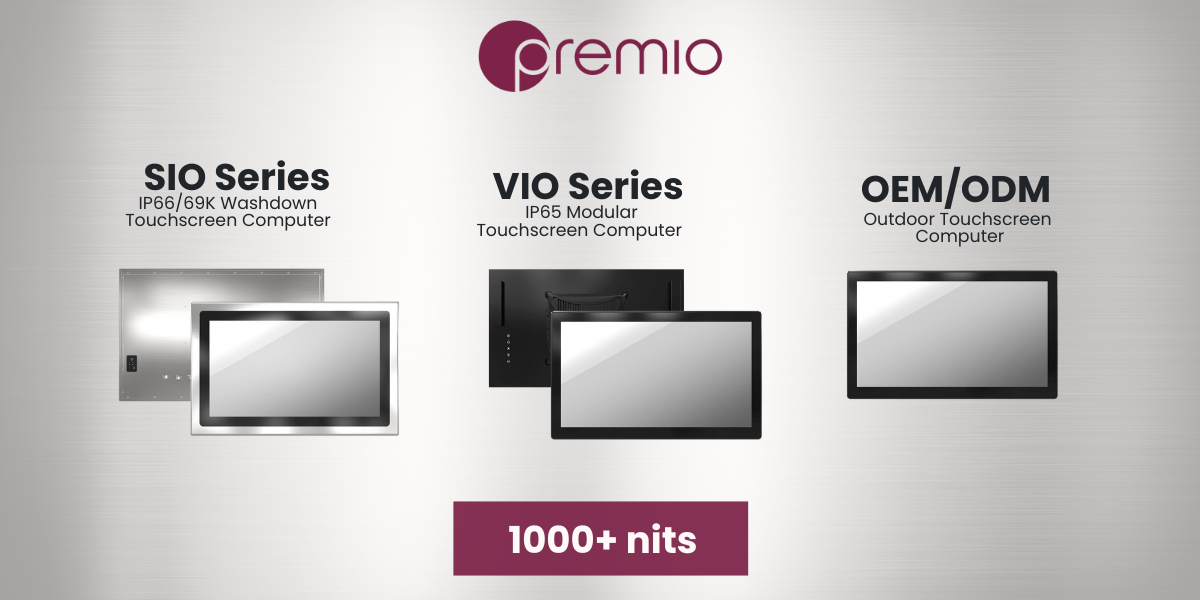
Premio's SIO Series and VIO series offer an impressive 1000-nit option, making them ideal for deployment in brightly lit indoor areas such as control rooms of power plants or transport hubs. These environments often feature intense overhead lighting, where high brightness levels are crucial for maintaining clear visibility of critical displays. For applications requiring deployment in direct sunlight, Premio provides specialized OEM/ODM services. These services include enhancements to block IR (Infrared) and UV (Ultraviolet) radiation, ensuring that the displays maintain optimal performance and durability even under harsh outdoor conditions.